In cosmetic packaging, consistency is more than just a visual choice—it’s a signal of quality and precision. When different components such as bottles, caps, pumps, and closures don’t align visually, even the most premium design can lose its appeal.
Small differences in surface finish, gloss, and texture can create a disjointed look, making the product feel less cohesive and less trustworthy. Consumers often unconsciously associate consistency with control and reliability, which is why achieving uniformity across packaging components is critical.
For luxury and high-end brands, every detail counts. This article explores why cosmetic packaging consistency matters, how surface finishes contribute to that consistency, and what brands need to consider when designing a cohesive, high-quality packaging system.
Why Consumers Notice Inconsistency Instantly
Consumers rarely analyze packaging details consciously, but they detect inconsistencies immediately. The human eye is highly sensitive to differences in light, texture, and proportion, especially when elements are placed side by side.
In cosmetic packaging, consistency signals precision. It suggests that the brand has control over materials, processes, and execution. In contrast, inconsistency introduces doubt. If the packaging does not align, consumers may question the quality behind it.
This is why cosmetic packaging consistency plays a critical role in first impressions. Before consumers read a label or test a product, they evaluate how well the components work together as a whole.
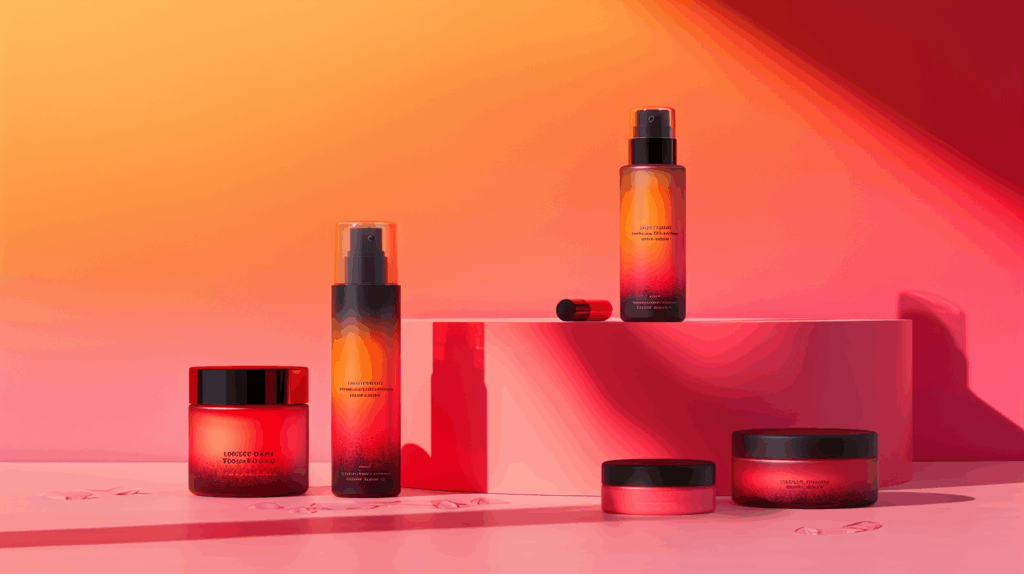
Why Consistency Is Difficult to Achieve
Achieving consistency across cosmetic packaging components is a complex challenge. Packaging often involves multiple materials, each with unique properties that affect how surfaces react to finishes. For instance, plastics such as PP and PET require different treatments, even when used within the same product line.
These material differences directly influence how coatings adhere, how light is reflected, and how finishes appear across components. Understanding how common cosmetic packaging materials behave is essential when aiming for consistent results across a full packaging system.

Additionally, mass production introduces its own set of challenges.
Even with advanced manufacturing processes, small variations are hard to avoid—slight differences in material batches, temperature, or machine settings can all affect how a finish appears on each component. In one batch, everything may look perfectly aligned, while in another, subtle inconsistencies start to show.
For brands aiming for a premium feel, these small differences can make a noticeable impact.
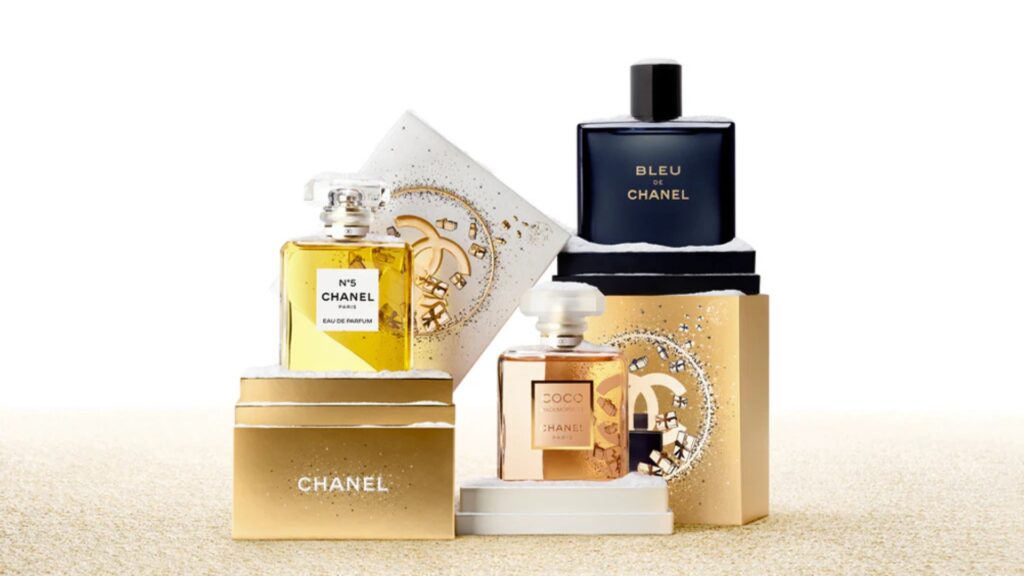
Many high-end brands—such as Chanel—pay close attention to how finishes match across components, ensuring that caps, bottles, and accents reflect light in a consistent way. When everything aligns, the packaging feels controlled and refined. When it doesn’t, even well-designed elements can feel slightly off.
How Surface Finish Affects Consistency
In cosmetic packaging, achieving consistency across different components is not just about choosing the same color or design. It’s the subtle details, like gloss levels, surface texture, and reflectivity, that make all the difference.
For example, if the cap of a bottle has a slightly shinier finish than the body, it can create a visual imbalance. Consumers may not consciously notice the difference, but it can affect their overall perception of the product’s quality and cohesion. This is why surface finish becomes an essential part of the consistency conversation.
High-end brands are particularly sensitive to these details. For instance, Chanel ensures that its perfume caps, bottles, and even the little accents on the packaging all share a consistent finish that reinforces the luxury experience.
Similarly, Estée Lauder uses a carefully controlled satin finish across its skincare range to ensure that each component feels equally refined, creating an uninterrupted sense of luxury from cap to pump.
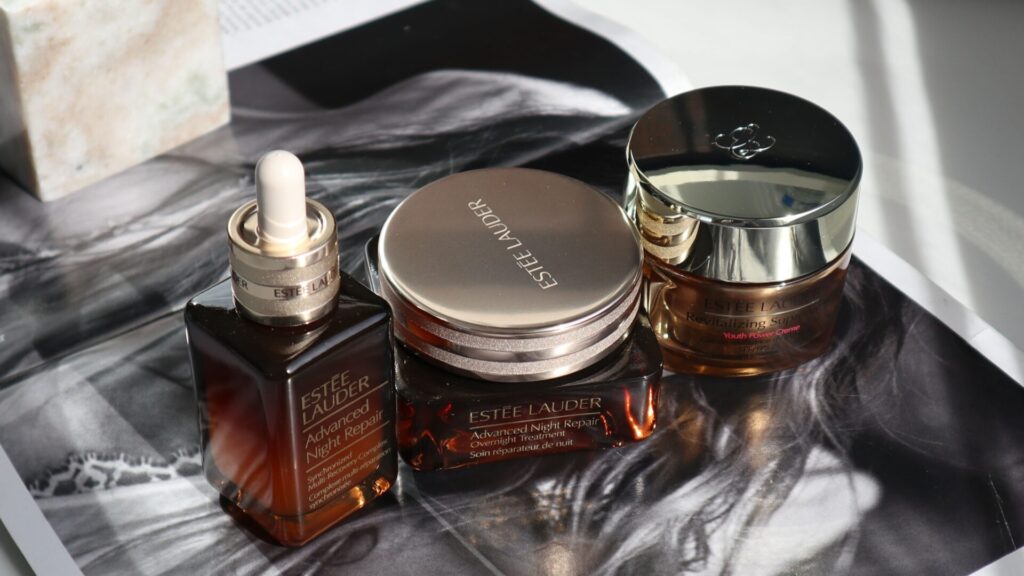
The consistency of the finish ensures that no matter which component of the product a consumer sees first, the impression is always of quality, precision, and a strong brand identity. Without this attention to finish, even the best design can feel incomplete.
Why Premium Brands Prioritize Consistency
For premium brands, consistency is not just a technical goal—it’s part of how the brand is perceived.
When packaging feels cohesive, it creates a sense of control. Every component looks like it belongs, and nothing feels accidental. This kind of precision signals confidence. It tells consumers that the brand pays attention to details, even the ones that are easy to overlook.
On the other hand, inconsistency introduces hesitation. If a cap reflects light differently from the bottle, or if finishes don’t quite match, the product can feel less refined. Consumers may not be able to explain why, but they can sense that something is slightly off.
Brands like Dior are known for maintaining strong visual consistency across their packaging systems.
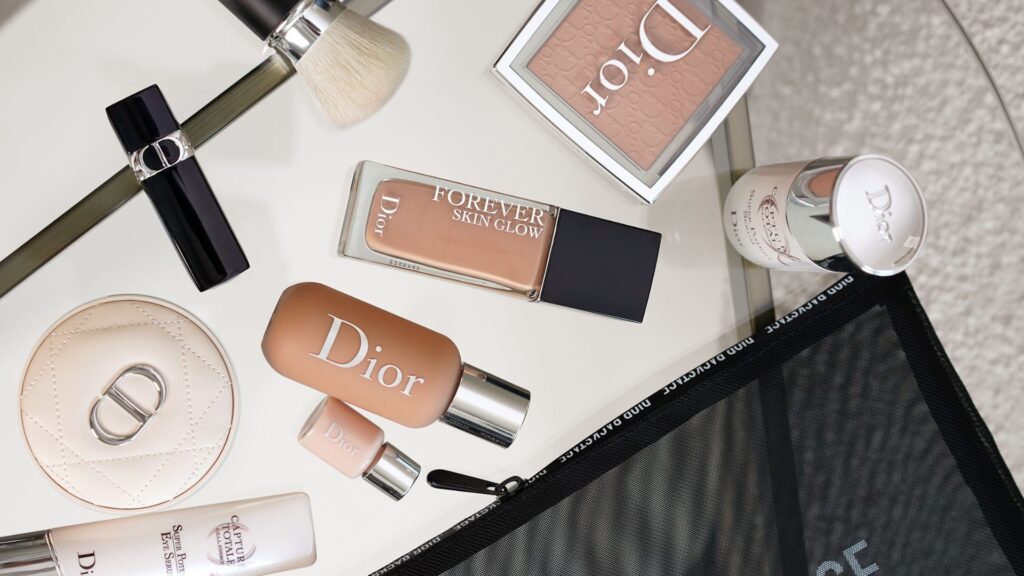
From bottles to caps to metallic accents, finishes are carefully aligned so that every element contributes to a unified impression. This level of consistency reinforces the brand’s identity without needing additional decoration.
Cosmetic packaging consistency is not achieved through a single element, but through the alignment of every component. When finishes, materials, and surfaces work together seamlessly, the packaging feels intentional and complete.
Surface finish plays a central role in this process. It determines how light is reflected, how textures are perceived, and how different components connect visually. When these details are controlled, consistency becomes visible—and so does quality.
For brands, consistency is not about perfection in isolation. It is about coherence across the entire packaging system. A well-matched set of components communicates more than design—it communicates discipline.